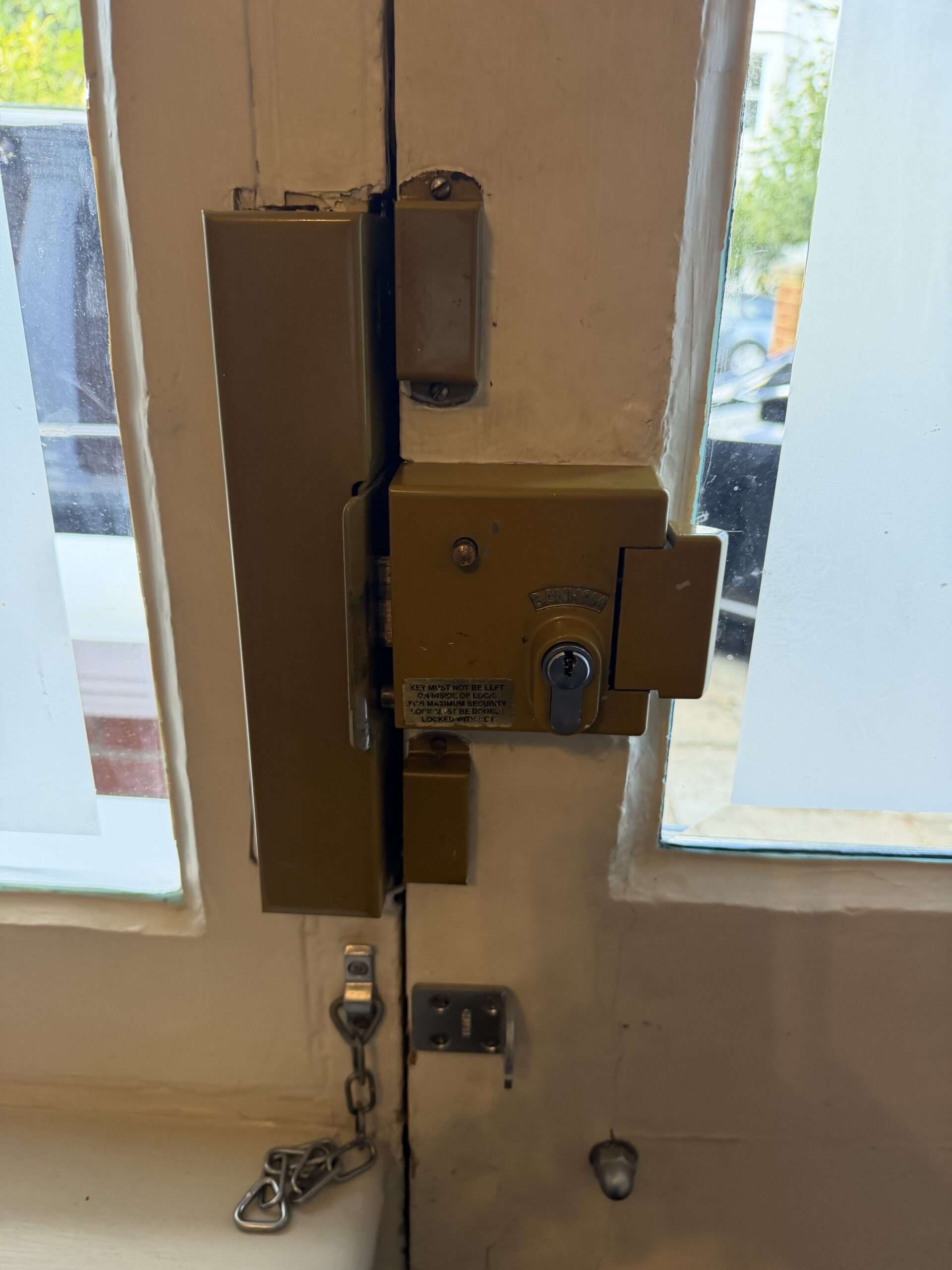
Student accommodation can involve several occupants, regular visitors, changing tenants, shared entrances and a mixture of private and communal spaces. Add laptops, phones, bicycles and other portable valuables, and security needs careful planning.
For landlords, the aim is not simply to fit the strongest possible lock. Good student accommodation security combines reliable doors and windows, appropriate locking systems, access control, maintenance and clear procedures for lost keys or tenant changeovers. In HMOs, those measures must also work alongside fire safety and any licensing conditions that apply.
At Page Security, we work with landlords, tenants and property managers across London and the South East. This guide covers the main areas to review in a student house, flat or HMO.
Key Takeaways
- Student accommodation security works best when locks, doors, windows, alarms and access systems are considered together.
- Landlords should regularly review security, particularly after tenant changeovers, lost keys or damage to doors and locking systems.
- HMOs may benefit from controlled access solutions such as master key systems, fobs, keypads and door-entry systems.
- Security measures must always work alongside fire-safety requirements and allow occupants to escape safely in an emergency.
- Tenants can reduce security risks by locking doors and windows, protecting access codes and reporting lost keys or faults promptly.
Did you know? A lost key does not always mean a lock must be replaced. The level of risk depends on where the key was lost and whether it can be linked to the property.
What Makes Student Houses and HMOs Different to Secure?

Shared accommodation creates more access needs than a typical single household. The main entrance needs to remain secure for everyone, while individual rooms may also need suitable privacy and security. Landlords, cleaners, contractors and managing agents may sometimes require authorised access, while tenants may have visitors.
Common considerations include:
- Several occupants using the same front or rear door.
- Physical keys being issued to multiple people.
- Communal entrances that depend on residents closing them properly.
- Tenant changeovers during the year.
- Lost keys, missing fobs or codes that may need to be changed.
- Periods when the property is less occupied, including university holidays.
- Wear and tear to locks, handles and door mechanisms caused by frequent use.
For properties in England, an HMO is generally a home occupied by at least three tenants who form more than one household and share facilities such as a kitchen, bathroom or toilet.
A layered approach works best, with doors, locks, windows, alarms and access systems complementing each other.
Who Is Responsible for Security in Rented Student Accommodation?
Landlords and tenants both have a role in keeping student accommodation secure.
Landlord Responsibilities
Landlords should ensure rented properties are safe and properly maintained. Government guidance for England also states that windows, doors and other points of entry should be capable of being secured.
From a practical security perspective, landlords should:
- Arrange repairs when locks, doors or windows are damaged or faulty.
- Review access arrangements when tenants change.
- Keep suitable records of keys, fobs or other access devices.
- Consider whether missing or unreturned keys create a security risk.
- Maintain communal entrance systems where fitted.
- Check that security measures do not interfere with fire safety or means of escape.
- Review HMO licence conditions where relevant.
Large HMOs in England normally require mandatory licensing where five or more people from more than one household live in the property and share facilities. Some councils also license smaller HMOs, so landlords should check local requirements.
Tenant Responsibilities
Tenants can support the security measures provided by using them consistently and reporting problems quickly.
That includes locking doors and accessible windows, limiting unnecessary sharing of keys or codes, reporting lost keys or fobs, and flagging faulty locks, door closers or window mechanisms.
Start With Secure Doors, Windows and Locks
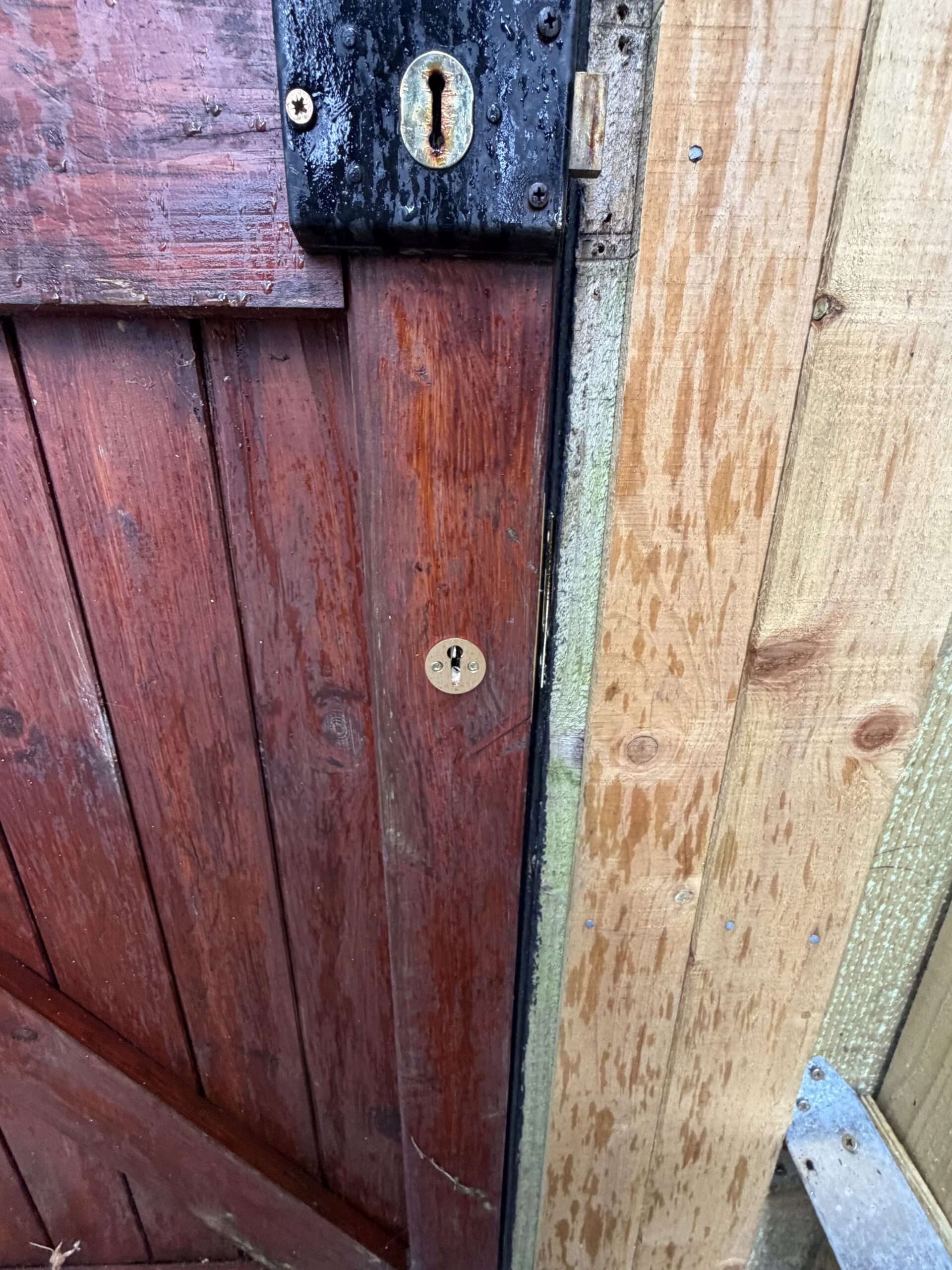
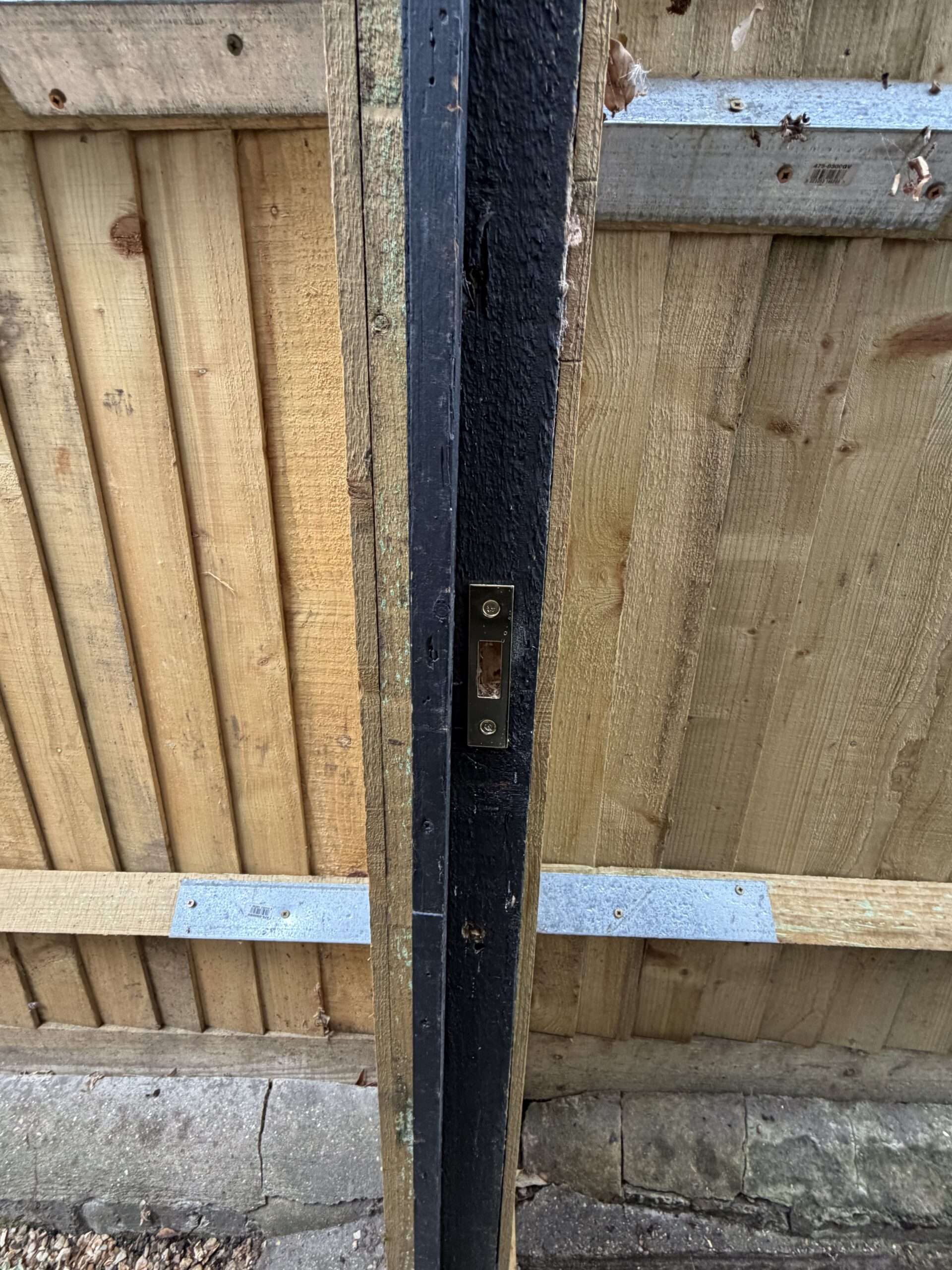
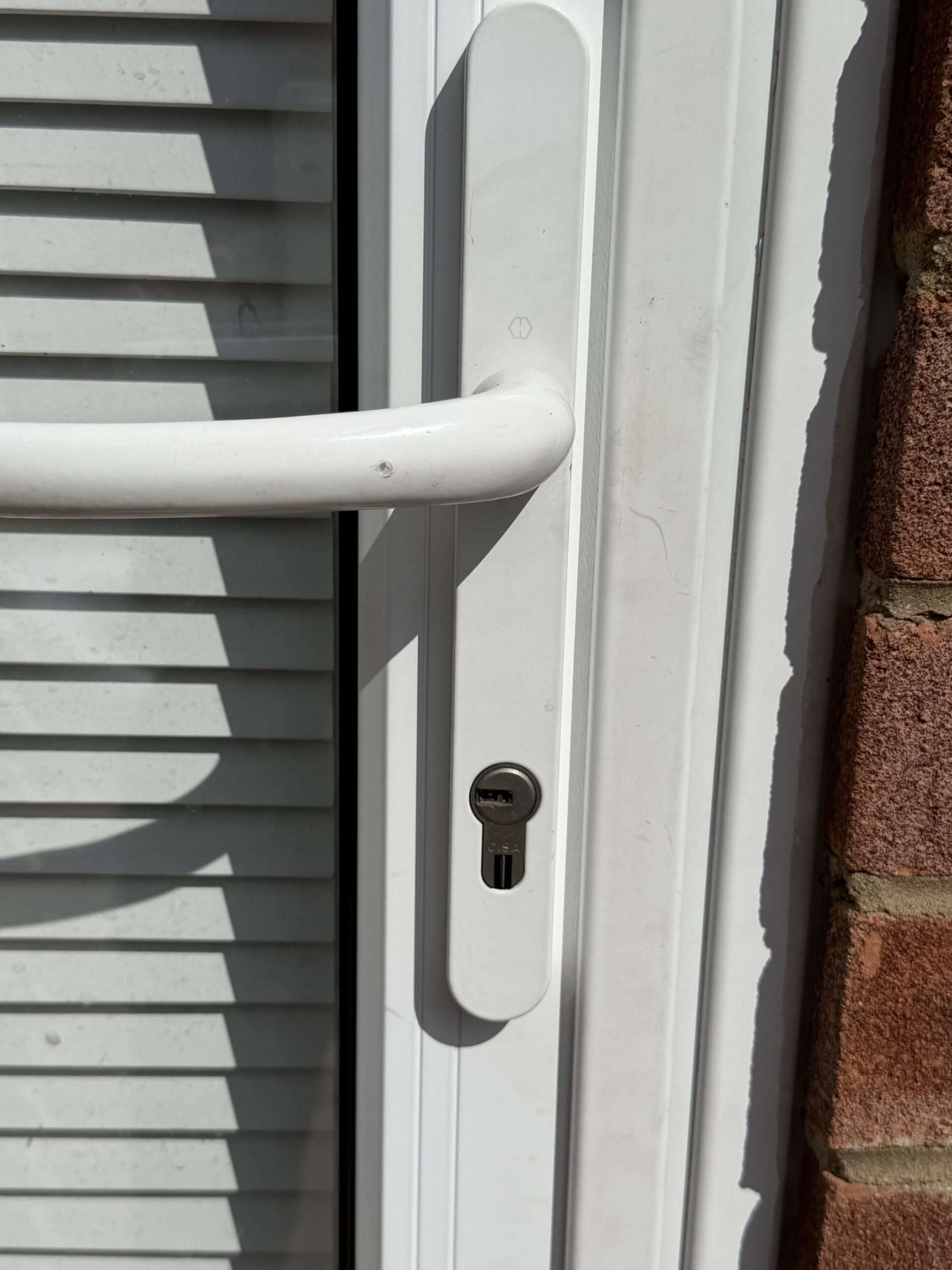
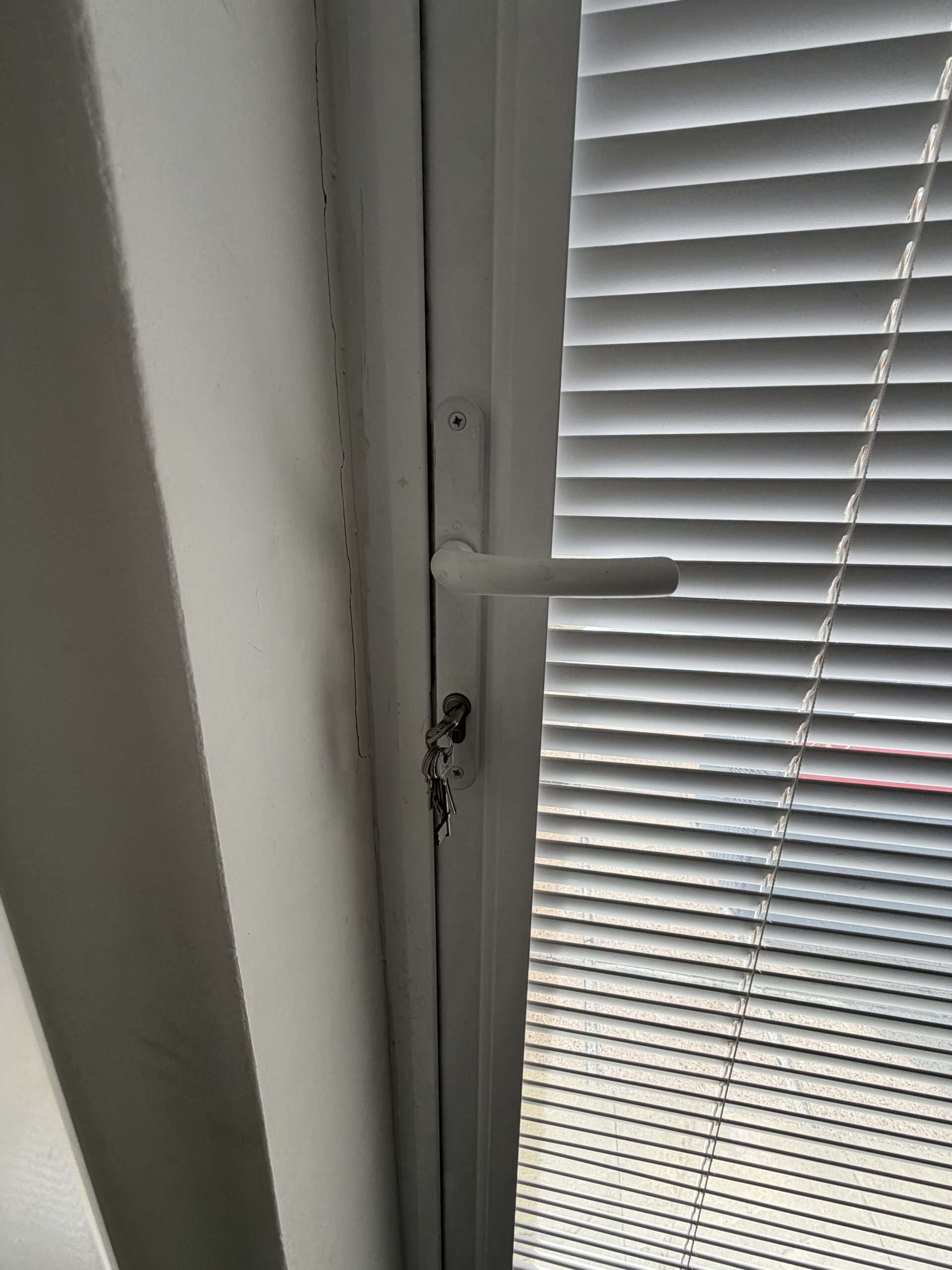
A secure property starts with the whole door or window assembly. A high-quality lock cannot compensate for a damaged frame, loose hinges or a door that does not close correctly.
For external doors, check:
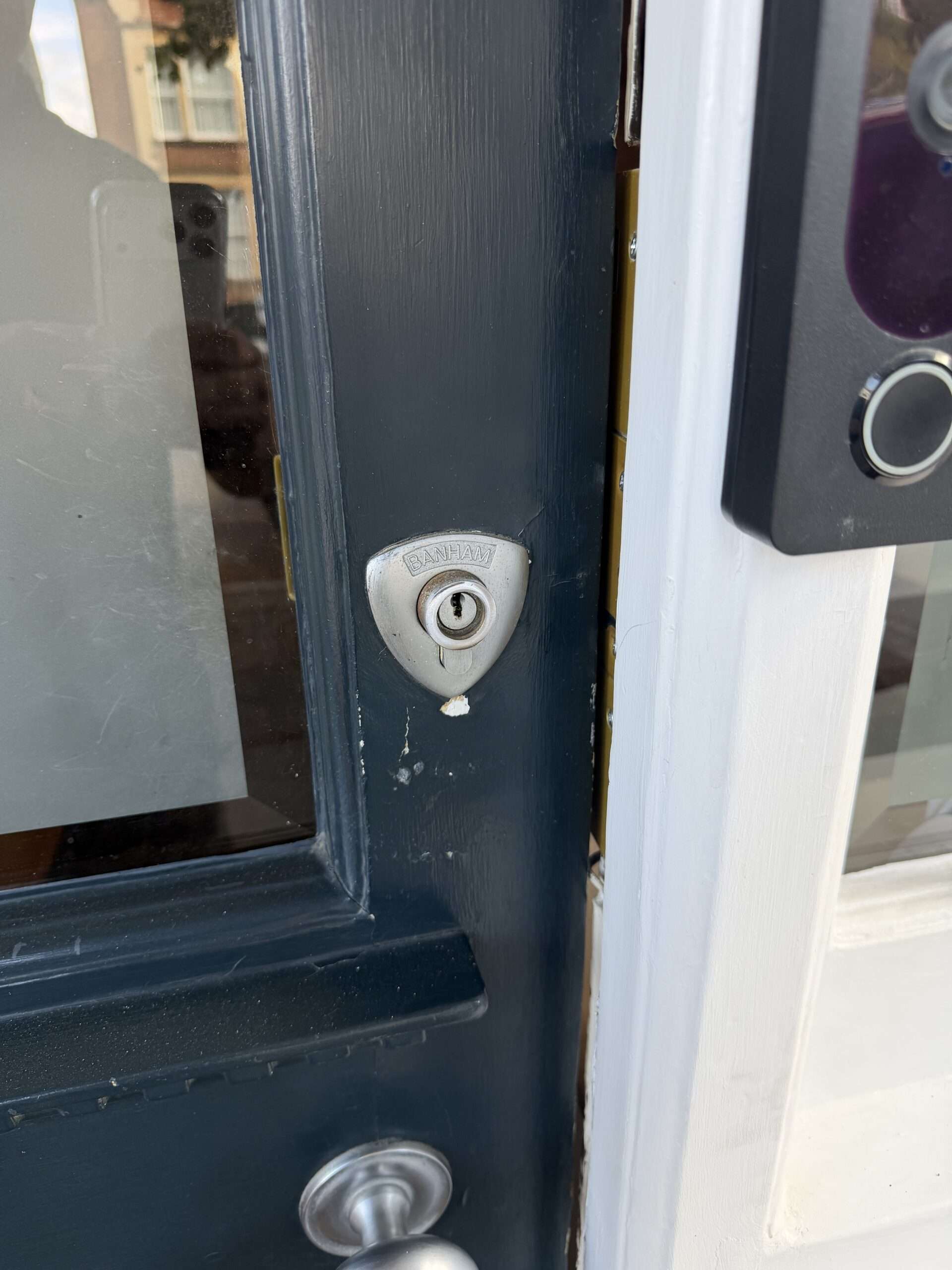
- The lock and cylinder.
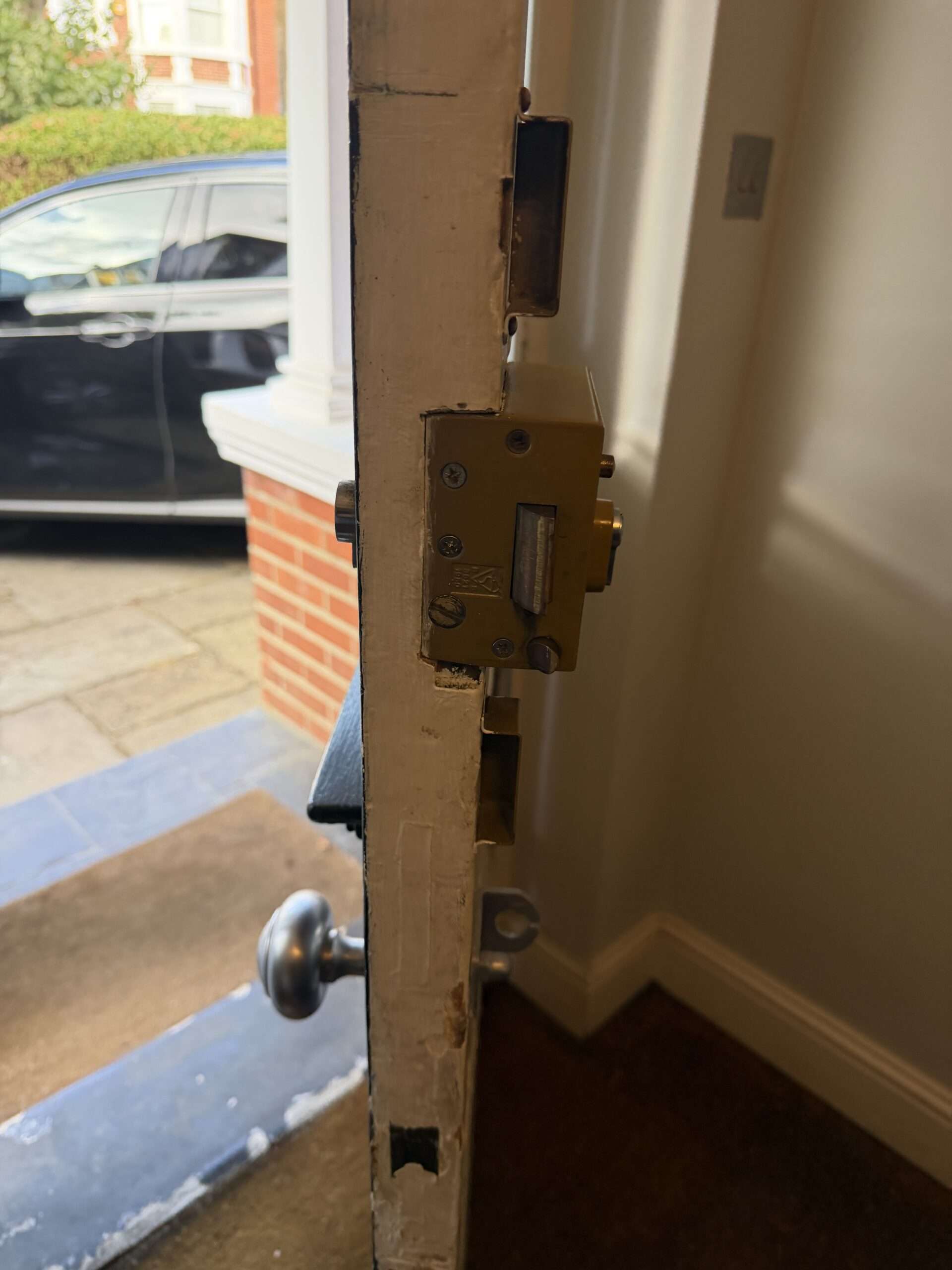
- The door frame and keep.
- Handles and hinges.
- Multipoint locking mechanisms, where fitted.
- The alignment of the door.
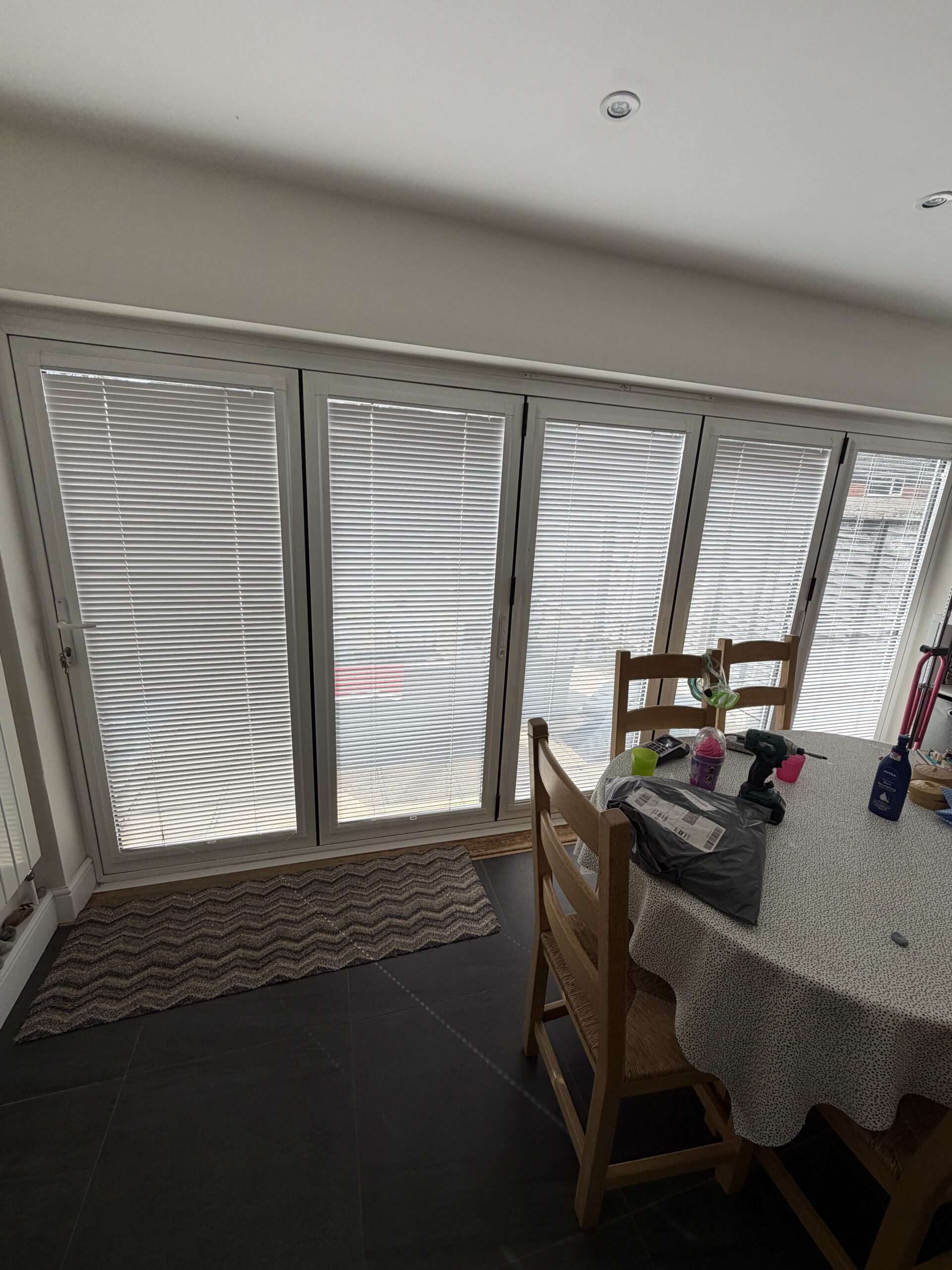
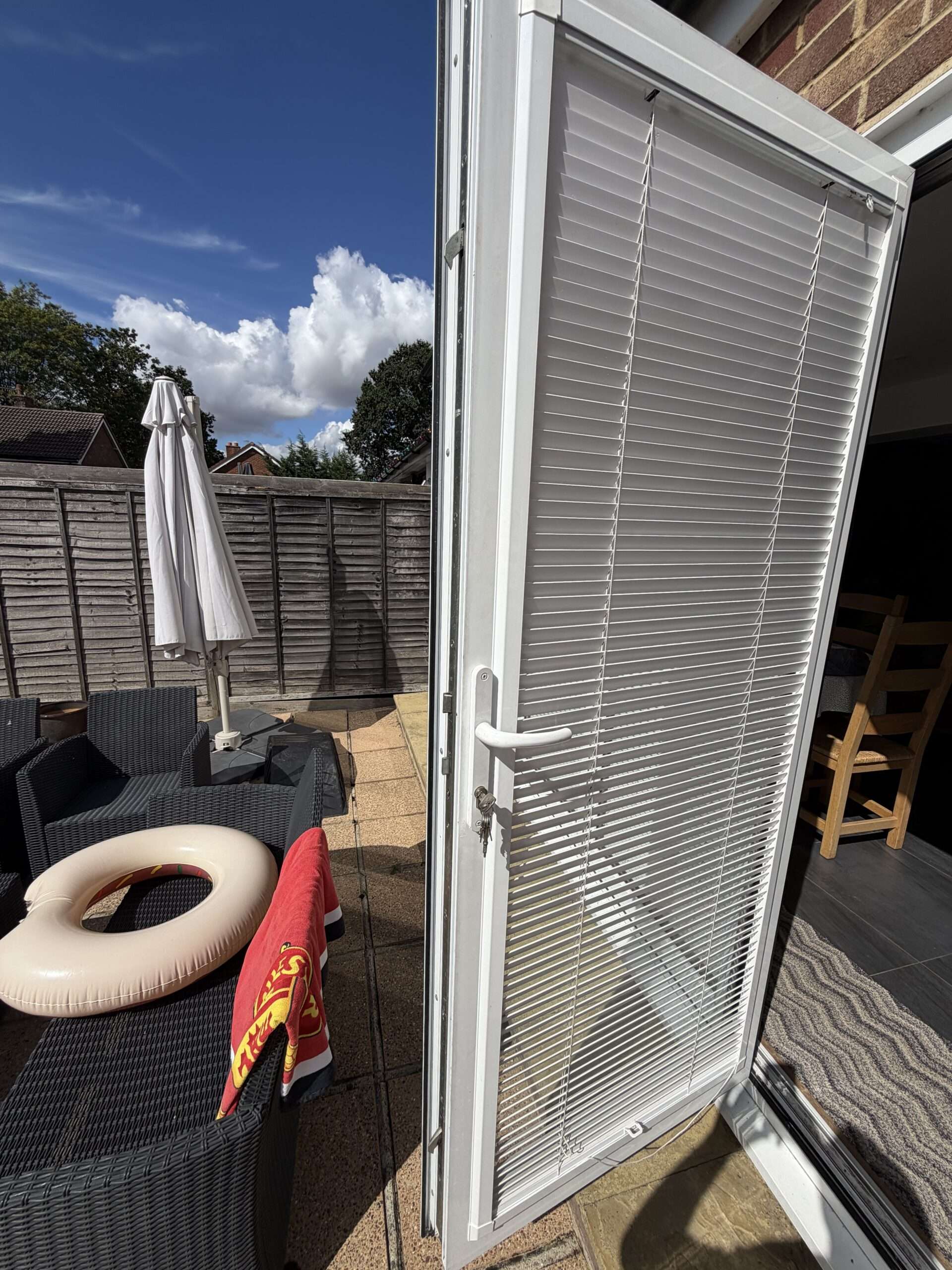
- Patio, French and bifold doors, where relevant.
- Whether the door closes and locks smoothly.
If a lock is damaged, difficult to operate or no longer suitable for the property, Page Security provides lock replacement and lock repairs for residential and commercial properties.
UPVC Doors and Windows
UPVC doors and windows can develop problems in handles, hinges, locks or multipoint mechanisms.
A stiff handle or a door that needs to be lifted or forced before locking can indicate alignment or mechanism problems that may worsen over time.
Our UPVC door and window repair service covers a range of lock, mechanism, hinge and handle issues.
Accessible windows also deserve attention. Ground-floor windows and other easily reached openings should close and secure correctly, while any window that forms part of an escape route must still be suitable for quick and safe use in an emergency.
Manage Keys, Codes and Access Between Tenancies
Key control is easy to overlook. Over time, copies can be made, keys can be lost and former occupiers may fail to return them. Electronic systems can have similar issues if old fobs, cards or codes are not removed.
A simple record should show which keys, fobs or credentials have been issued and when they are returned or cancelled.
When a tenancy ends, consider:
- Have all keys been returned?
- Are there any missing fobs or access cards?
- Do digital entry codes need to be changed?
- Do cleaners, contractors or agents still require access?
- Is there any reason to think unauthorised copies may exist?
- Does the tenancy agreement affect what changes can be made?
If a key is lost, the response should depend on the circumstances. A key locked inside presents a different risk from one stolen with information identifying the address.
Our guide to securing a property after losing keys explains what to consider before deciding whether a lock needs replacing.
Could Smart Locks Work in Student Accommodation?
Smart locks can suit some shared properties because compatible systems may offer keyless entry, temporary access, multiple user credentials and remote management.
They are not suitable for every door. Consider the door and frame, batteries, ongoing management, insurance conditions and emergency operation.
Our smart lock versus traditional lock guide explains the main differences.
Could a Master Key System Help in an HMO?
A master key system can help where different people need different levels of authorised access.
For example, a property manager may need wider access, while cleaners or contractors may only need specific communal areas.
Page Security designs and installs master key systems that can provide controlled levels of access within the same property or building.
The exact arrangement should always reflect the property layout and its safety requirements. Where a door forms part of a fire-safety strategy or escape route, the locking arrangement must not prevent safe evacuation.
Access Control and Door Entry for Communal Entrances
For larger student properties or buildings with shared entrances, electronic access control can reduce reliance on numerous conventional keys.
Depending on the property, options can include:
- Keypads and coded entry.
- Proximity cards.
- Fobs and tags.
- Audio door entry.
- Video door entry.
- GSM entry systems.
- Standalone or remotely managed access systems.
Our access control installation services include proximity, coded and remotely managed solutions, while our door entry systems cover audio, video, keypad, proximity and GSM options.
A compatible electronic system may allow authorised access to be changed when a tenant moves out or a credential is lost, without replacing every physical key in circulation.
Can a Burglar Alarm Help Protect Student Accommodation?
An alarm does not replace secure doors, locks and windows, but it can add another layer of protection, particularly in temporarily unoccupied properties or homes managed remotely.
Page Security installs and repairs burglar alarms, including wired and wireless systems. Smart alarm systems can also provide app-based features such as alerts, remote arming and disarming, event history and fault notifications, depending on the system installed.
These features can help authorised users monitor a property when away.
HMO Security Must Work With Fire Safety
Security improvements should never make it harder for occupants to escape during a fire. In HMOs, communal doors, bedroom doors, fire doors and escape routes may have different requirements.
Landlords should ensure that:
- Escape routes remain clear.
- Relevant fire doors are maintained correctly.
- Fire doors are not wedged open.
- Locks on escape routes are appropriate for safe evacuation.
- New security equipment does not obstruct the intended operation of a door.
- HMO licence conditions and fire-safety requirements are checked before relevant alterations are made.
Government guidance advises that fire exit doors should be capable of being opened without a key. Fire doors should also be allowed to close properly.
Where communal entrances require greater security, the answer is not simply to fit a more restrictive lock. The locking system, door closer, access control and fire-safety arrangements need to work together.
For more information on suitable options for shared entrances, see our guide to locks for communal doors.
What Can Students Do to Keep Their Accommodation Secure?
Even well-designed security depends on residents using it properly. Students can reduce avoidable risks by:
- Locking external doors when entering or leaving.
- Closing and securing accessible windows when appropriate.
- Avoiding leaving communal doors propped open.
- Keeping keys away from letterboxes and easily reached windows.
- Keeping laptops, phones and other valuables out of obvious view.
- Avoiding unnecessary sharing of entry codes.
- Reporting damaged or difficult locks promptly.
- Reporting missing keys, cards or fobs as soon as possible.
- Checking who is requesting access before releasing a door-entry system.
- Agreeing basic security arrangements before the property is left empty for a university holiday.
Reporting faults early can prevent a minor lock problem becoming a lockout or security failure.
What Should Happen When Keys Are Lost?
Lost keys can present different levels of risk.
| Situation | Typical security concern | Sensible next step |
| Key locked inside | Access problem, but key location is known | Contact the landlord, agent or locksmith as appropriate |
| Key misplaced in a known secure location | Usually lower immediate risk | Recover it and confirm no unauthorised access occurred |
| Key lost in public | Possible unauthorised possession | Assess whether the property can be identified |
| Key stolen with address information | Higher security risk | Report it and consider replacing or rekeying the relevant lock |
| Former tenant does not return a key | Ongoing uncertainty over access | Review whether access should be changed |
| Electronic fob lost | Depends on system capability | Cancel or replace the credential where possible |
Tenants should normally inform the landlord or managing agent rather than changing locks without checking the tenancy arrangements.
What Should Landlords Do After an Attempted Burglary?
After an attempted burglary, inspect more than the visibly damaged lock. The frame, hinges, keep, glazing and door alignment may also have been affected. Once the immediate damage is secured, check whether similar weaknesses exist elsewhere.
Where appropriate, consider whether a suitable security upgrade would offer better protection than simply replacing a damaged component with an identical one.
Page Security provides burglary prevention and repair services for properties requiring urgent repairs or security improvements.
Student Accommodation Security Checklist
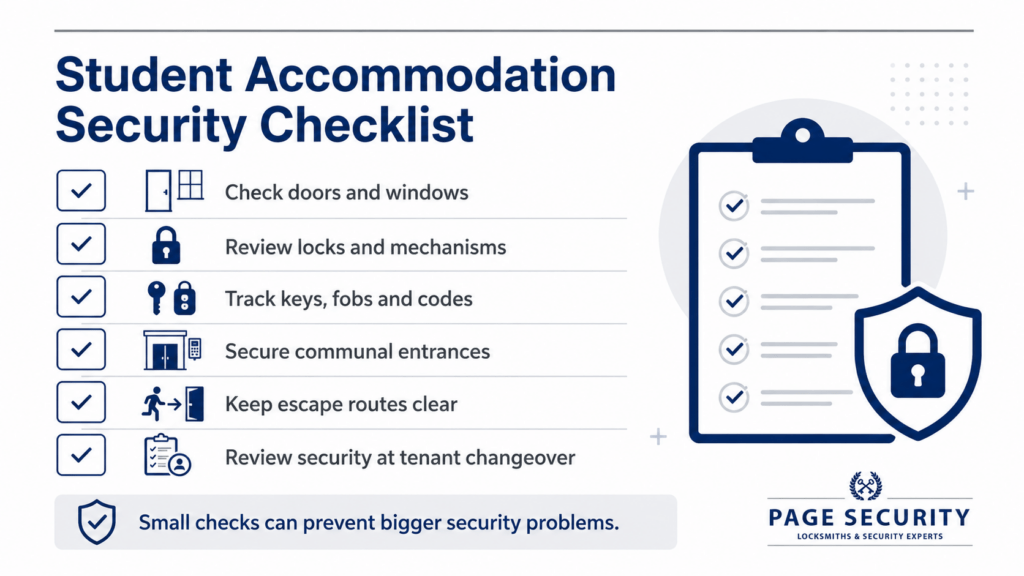
Landlords and property managers can use the following checklist during inspections, tenant changeovers and maintenance visits:
- External doors close and lock correctly.
- Door frames, hinges, handles and keeps are secure.
- Accessible windows close and lock properly.
- All issued keys, fobs and access cards are recorded.
- Old access credentials have been removed where necessary.
- Communal entrance systems operate correctly.
- Fire doors and escape routes remain unobstructed.
- Alarm systems are working where fitted.
- Lost-key procedures are understood.
- Security faults are reported and repaired promptly.
- Relevant HMO licence conditions have been checked.
- Security arrangements are reviewed before long periods of vacancy.
Take a Layered Approach to Student Accommodation Security
Student accommodation security works best when physical security, access control, maintenance, fire safety and sensible day-to-day habits are considered together.
A planned security review at the start and end of each tenancy can also help identify faults early, confirm who should have access and give new occupants clear instructions on using the systems provided.
For landlords, managing agents and tenants who need help with locks, UPVC doors and windows, alarms, master key systems, access control or door-entry systems, Page Security provides professional security services across London and the South East.