

A break-in can leave any homeowner feeling shaken, vulnerable, and unsure of what to do next. Beyond the loss of belongings, there is often damage to doors, windows, and locks, as well as a lingering sense that your home is no longer secure. Acting quickly and methodically can make a significant difference in restoring both your safety and your peace of mind.
At Page Security, we regularly assist homeowners following burglaries, providing emergency locksmith services, burglary repairs, and security upgrades across the South East. From the first callout to the final repair, the goal is always the same: to secure your property properly and prevent further incidents.
This guide sets out a clear, practical checklist of what to do after a break-in. It covers immediate safety steps, reporting the incident, securing your home, documenting losses, and strengthening your security for the future. By following these steps, you can move from reacting to the incident to regaining control and confidence in your home.
Key Takeaways
- Put safety first by staying outside if there is any risk and contacting the police immediately
- Preserve the scene and report the incident properly to support investigations and insurance claims
- Secure your home quickly by repairing damage and replacing compromised locks
- Document all losses with photos and a clear inventory to simplify your insurance claim
- Strengthen your security with improved locks, alarms, and better daily habits
Did you know? Most burglars gain entry through doors and windows, making these the most important areas to secure first.
1. Put Safety First
Do not enter if there is any risk
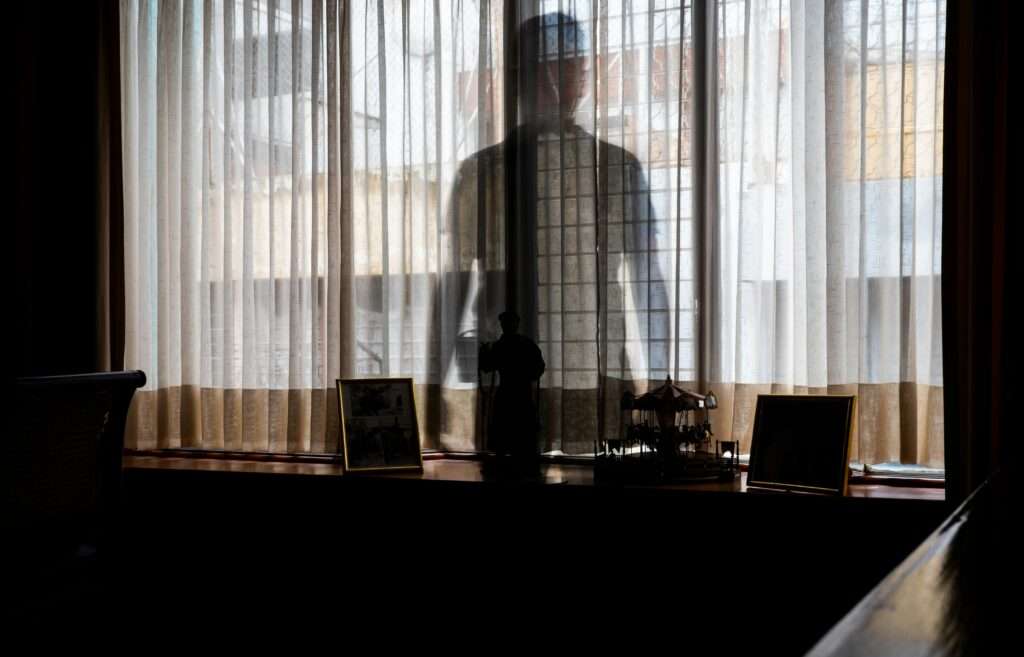
If you arrive home and notice signs of forced entry such as a broken window, damaged lock, or open door, do not go inside. There is a possibility that someone may still be in the property.
In this situation:
- Stay outside at a safe distance
- Call 999 immediately
- Wait for police assistance before entering
Your safety should always take priority over checking belongings or damage.
Avoid disturbing the scene
If you are certain the intruder has gone, enter carefully but avoid touching anything unnecessarily. Burglary scenes often contain evidence such as fingerprints, footprints, or tools left behind.
Try to:
- Avoid walking through affected areas
- Keep others out of the property where possible
- Leave doors, windows, and damaged locks untouched
Check everyone is safe
Once inside, make sure all members of the household are safe and accounted for. If the property has been significantly damaged, it may be safer to stay elsewhere temporarily until it is properly secured.
2. Report the Break-In Properly
Contact the police
Report the burglary as soon as possible. If the crime is no longer in progress, you can contact the police using the non-emergency number 101. If there is immediate danger, always use 999.
You will be given a crime reference number, which is essential for:
- Insurance claims
- Follow-up investigations
- Official records of the incident
Provide accurate details
When reporting the incident, be prepared to share:
- The estimated time of the break-in
- Points of entry
- Items that have been stolen
- Any suspicious activity noticed
The more accurate the information, the more helpful it is for the investigation.
Preserve evidence
Do not clean or repair anything until the police have confirmed it is safe to do so. Even small details can be important in identifying those responsible.
3. Secure the Property Straight Away
Focus on vulnerable entry points
Burglars often target the easiest access points, including:
- Front and back doors
- Ground-floor windows
- Patio doors
- Garages and side entrances
These areas should be secured as quickly as possible.
Arrange emergency locksmith support
After a break-in, immediate professional help is essential. At Page Security, we provide emergency locksmith services and burglary repairs across the South East, with a rapid response time for urgent situations.
Our team can:
- Replace damaged or compromised locks
- Repair or secure doors and windows
- Restore access where keys have been lost or stolen
Replace damaged locks and frames
A damaged lock is only part of the problem. Forced entry often weakens the door frame, hinges, or surrounding structure.
Key actions include:
- Replacing broken locks
- Reinforcing or repairing frames
- Ensuring the door aligns and closes properly
Use temporary security measures
If full repairs cannot be completed immediately, temporary solutions can help protect the property.
Examples include:
- Boarding broken windows
- Securing doors with temporary locks
- Restricting access to damaged areas
These measures should always be followed by permanent repairs as soon as possible.
4. Record the Damage and Missing Items

Take clear photographs
Document everything before repairs begin. This includes:
- Entry points
- Damaged locks and doors
- Disrupted rooms
- Missing items
Photographs provide valuable evidence for both police and insurers.
Create a detailed inventory
List all stolen or damaged items, including:
- Description of each item
- Estimated value
- Serial numbers if available
Keep records organised
Maintain a clear record of:
- Police reference number
- Photographs
- Receipts and proof of ownership
- Repair invoices
Example inventory table
| Item Description | Estimated Value | Serial Number | Notes |
| Laptop | £800 | ABC123 | Work device |
| Jewellery | £500 | N/A | Family items |
| Television | £600 | XYZ789 | Living room |
This information will support your insurance claim and help recover items if they are found.
5. Contact Your Insurer
Notify your insurer promptly
Most insurance policies require you to report a burglary quickly. Delays may affect your claim.
Provide supporting evidence
Be prepared to submit:
- Crime reference number
- Photographs of damage
- Inventory of stolen items
- Repair estimates or invoices
Understand your cover
Policies vary, so it is important to check:
- What items are covered
- Limits on claims
- Whether emergency repairs are included
Taking the time to understand your policy will help you manage expectations and avoid surprises.
6. Repair and Reinforce Entry Points
Address all structural damage
Repairs should go beyond visible damage. Ensure that:
- Doors are fully secure
- Frames are intact
- Hinges and fittings are strong
Assess the condition of existing locks
Older or worn locks may not provide sufficient protection. After a break-in, it is often advisable to review whether your current locks are still suitable.
Upgrade weak areas
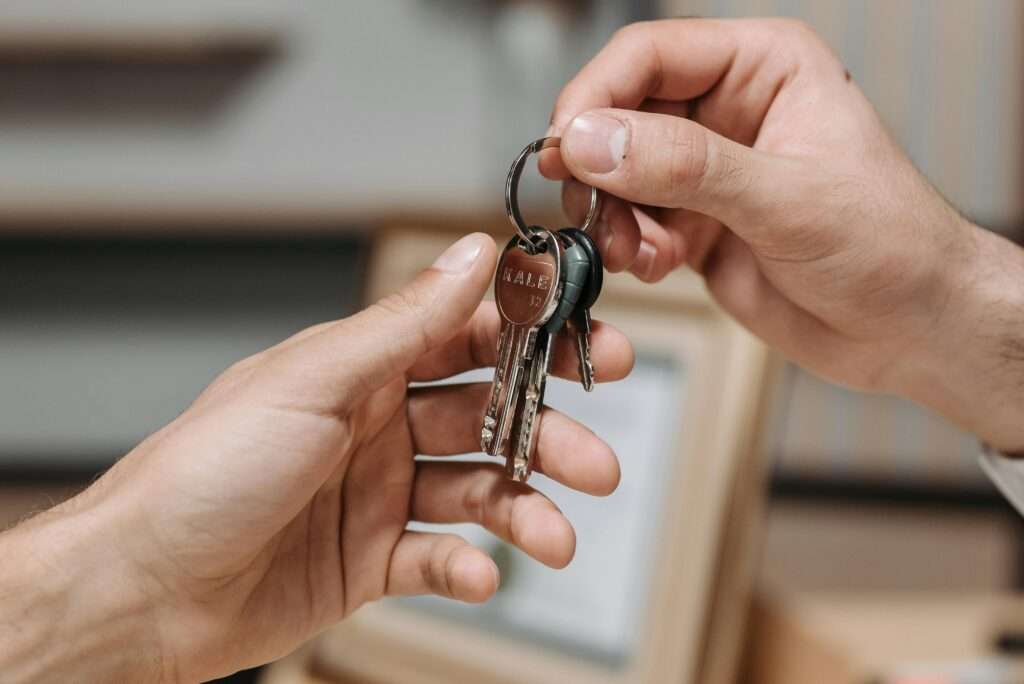
A break-in often highlights where improvements are needed. At Page Security, we provide lock upgrades and UPVC door and window repair services to help strengthen vulnerable areas.
Common upgrades include:
- Replacing outdated locks
- Repairing or replacing damaged UPVC mechanisms
- Improving door alignment and closing systems
Strengthen entry points
Focus on reinforcing:
- Main entrance doors
- Rear access points
- Ground-floor windows
Proper repairs and upgrades can significantly reduce the risk of repeat incidents.
7. Improve Your Alarm and Entry Security

Consider installing a burglar alarm
If your home does not currently have an alarm system, this is an important step to consider. Alarm systems can act as a strong deterrent and provide early warning of intrusions.
Repair or upgrade existing alarms
If an alarm system failed during the break-in or is no longer reliable, it may need attention. Page Security installs and repairs both wire free and wired burglar alarms.
Explore door entry and access control
For some properties, especially flats or shared entrances, additional control over access can improve security.
Options include:
- Door entry systems
- Access control systems
Take a layered approach
Effective home security is not based on a single solution. Combining multiple measures creates stronger protection.
A layered approach may include:
- Strong locks
- Repaired entry points
- Alarm systems
- Controlled access where appropriate
Work Out How the Intruder Got In
Identify the point of entry
Understanding how access was gained is key to preventing future incidents. Common entry points include:
- Front or back doors
- Windows
- Garages
Look for vulnerabilities
Ask practical questions:
- Was the lock damaged or outdated?
- Was a window left unsecured?
- Was access too easy from the rear of the property?
Use the incident as a review
A break-in can highlight weaknesses that might otherwise go unnoticed. Taking the time
9. Strengthen Everyday Home Security Habits
Lock doors and windows consistently
Make it a habit to secure all entry points, even when at home or stepping out briefly.
Improve visibility
Burglars often prefer properties where they can work unnoticed. Reduce hiding places by:
- Keeping entrances well lit
- Trimming hedges and bushes
- Avoiding clutter near doors and windows
Make your home look occupied
Simple measures can deter opportunistic intruders:
- Use timers for lights
- Ask neighbours to collect post when away
- Avoid advertising absence on social media
Stay aware
Regularly check locks, alarms, and entry points to ensure everything is working as it should.
10. Rebuild Peace of Mind After the Incident
Acknowledge the impact
A break-in can affect how safe you feel in your own home. This is a normal response.
Take practical steps
Improving security can help restore confidence. Focus on:
- Repairing damage quickly
- Upgrading locks and systems
- Establishing clear routines
Seek support if needed
Talking to family, friends, or neighbours can help you process the experience and feel more secure.
11. When to Bring in a Professional Security Specialist

Situations that require expert help
Consider professional assistance if:
- Locks or doors have been forced
- Multiple entry points are affected
- Existing systems are not working properly
What professionals can provide
At Page Security, we assist with:
- Emergency locksmith services
- Burglary repairs
- Lock replacements and upgrades
- Alarm installation and repairs
- Door entry and access control systems
Why this matters
Professional repairs and installations ensure that your home is properly secured, reducing the risk of further incidents and helping you regain confidence in your property.
Conclusion: What to Do After a Break-In
Dealing with a break-in involves more than replacing what has been lost. It requires a clear approach that prioritises safety, preserves evidence, restores security, and strengthens your home against future risks.
By following the steps in this checklist, you can take control of the situation. From contacting the police and documenting damage to securing entry points and upgrading your protection, each stage plays an important role.
At Page Security, we understand how important it is to feel safe at home. With the right support and the right improvements, it is possible to move forward with confidence and reduce the likelihood of further incidents.
If you need fast and reliable help after a break-in, contact us for expert locksmith services, burglary repairs, and home security solutions.
Further Reading
- Reporting Crime: What to Do After a Burglary: Official UK police guidance on reporting a burglary and preserving evidence after an incident.
- Home Insurance Claims After Theft: Practical advice on how to make a home insurance claim following a burglary, including required documentation.
- Secured by Design: Home Security Guidance: Police-backed initiative offering guidance on improving home security through design and upgrades.
