

Patio doors are one of the most useful access points in a property. They bring light into the home, connect living areas with the garden and are often used every day, especially in kitchens, extensions and open-plan spaces. When the lock starts to feel stiff, loose or unreliable, it is easy to put the problem off until later. Unfortunately, patio door lock problems rarely improve on their own.
At Page Security, we regularly help with lock repairs, lock replacement, Upvc door and window repairs, emergency lock opening and security upgrades. A patio door fault can involve more than the lock cylinder. The handle, gearbox, multipoint locking strip, hinges, rollers, keeps, frame and door alignment can all affect whether the door locks properly.
This guide explains the most common patio door lock faults, the security risks they can create and the repair options available.
Key Takeaways
- Patio door lock problems are often linked to misalignment, worn parts, damaged cylinders, failed gearboxes or dirty sliding tracks.
- A stiff handle, loose lock or key that will not turn should not be forced, as this can cause further damage.
- Sliding patio doors should be checked for anti-lift protection, especially if they can move in the frame.
- Repair options may include lock adjustment, cylinder replacement, gearbox replacement, handle replacement or full multipoint lock replacement.
- Professional repair helps identify whether the fault is with the lock, frame, hinges, rollers or overall door alignment.
Did you know? A patio door can look locked but still be insecure if the locking points are not fully engaging into the frame.
Common Types of Patio Door Locks in UK Homes

Patio doors come in several styles, and each type can develop different locking problems.
Sliding Patio Door Locks
Sliding patio doors usually move along a track and lock into the frame using hooks, latches or multipoint locking points. Their security depends on the lock, the frame, the running gear and whether the door can be lifted from its track.
Common sliding patio door parts include:
- Hook locks
- Latch locks
- Locking keeps
- Rollers
- Tracks
- Anti-lift devices
- Auxiliary patio door locks
If the door has dropped or the rollers have worn, the lock may no longer line up properly with the keep.
French Door Locks
French doors usually have two opening leaves. One door may be the active leaf, used regularly, while the other is the passive leaf, often secured with shoot bolts or espagnolette bolts.
Many French doors use a multipoint locking system. When the handle is lifted, several locking points engage into the frame. If one part of the mechanism is out of line, the whole door can become hard to lock.
Upvc and Double Glazed Patio Door Locks
Upvc and double glazed patio doors often use multipoint locks, euro cylinders, handles and internal gearboxes. A small amount of misalignment can put pressure on the gearbox, making the handle stiff or stopping the key from turning.
Our professional Double Glazed Door and Window Repair service includes Upvc French doors, Upvc sliding patio door as well as Bifold Door Repairs.
Bi-fold Door Locks
Bi-fold doors can be more complex because several panels need to fold, slide, align and lock together correctly. Faults can involve hinges, tracks, rollers, locking points or the main lock case. If a bi-fold door does not close squarely, the lock may not engage safely.
Common Patio Door Lock Problems
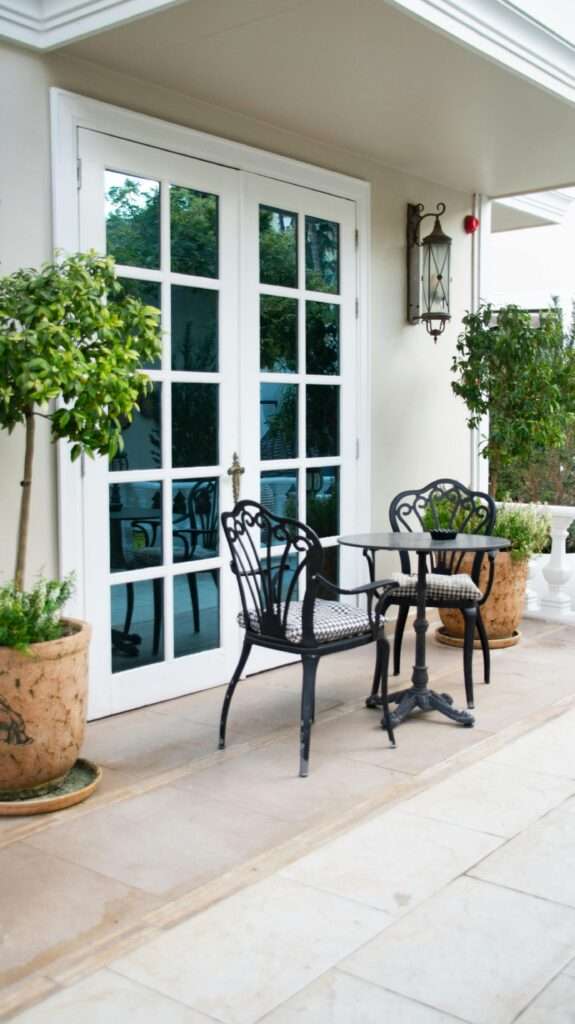
Patio door lock faults can show up in several ways. Some are minor at first, but many are early warning signs that the door needs adjustment or repair.
The Key Will Not Turn
A key that will not turn can be caused by a worn key, a faulty cylinder, a damaged lock case or pressure on the locking points. If the key works when the door is open but not when it is closed, the problem is often linked to alignment rather than the cylinder alone.
Do not force the key. A snapped key can turn a straightforward repair into an emergency call-out.
The Handle Is Stiff or Will Not Lift
On many Upvc patio doors, the handle must lift fully before the key can lock the door. If the handle is stiff, grinding or will not lift all the way, the multipoint lock may be under strain.
Possible causes include:
- Door misalignment
- Dropped hinges
- Worn rollers
- A failing gearbox
- Locking points catching on the keeps
- A damaged locking strip
A stiff handle is one of the most common signs that a patio door should be inspected before the mechanism fails completely.
The Patio Door Will Not Lock
If the door closes but will not lock, the locking points may not be entering the frame correctly. The issue could be with the cylinder, gearbox, keeps, hooks, bolts or overall door position.
A patio door that will not lock should be treated as urgent, especially if it is on the ground floor or gives access to the rear of the property.
The Door Locks but Feels Loose
A patio door can sometimes appear to lock while still feeling insecure. There may be movement in the frame, the handle may feel loose or only one locking point may be engaging.
Warning signs include:
- A wobbly handle
- A loose euro cylinder
- Gaps around the frame
- Rattling when the door is pushed
- The door moving even when locked
A lock that only partly engages can create a false sense of security.
The Key Has Snapped in the Lock
Keys can snap because they are worn, bent or used in a stiff lock. If this happens, avoid pushing the broken part further into the cylinder. A locksmith can usually extract the key and assess whether the cylinder or mechanism needs replacing.
The Patio Door Is Jammed Shut
A jammed patio door is often caused by a failed gearbox, broken locking mechanism or severe misalignment. This can be particularly frustrating when the door is a main access point to the garden.
In some cases, the door can be opened without damage. In others, parts may need to be replaced once access has been gained.
The Lock Works Intermittently
An intermittent fault is still a fault. If the lock works some days but not others, there may be pressure on the mechanism, loose parts or early gearbox failure. Weather changes can also affect doors and frames, especially where alignment is already close to the limit.
Why Patio Door Lock Problems Happen
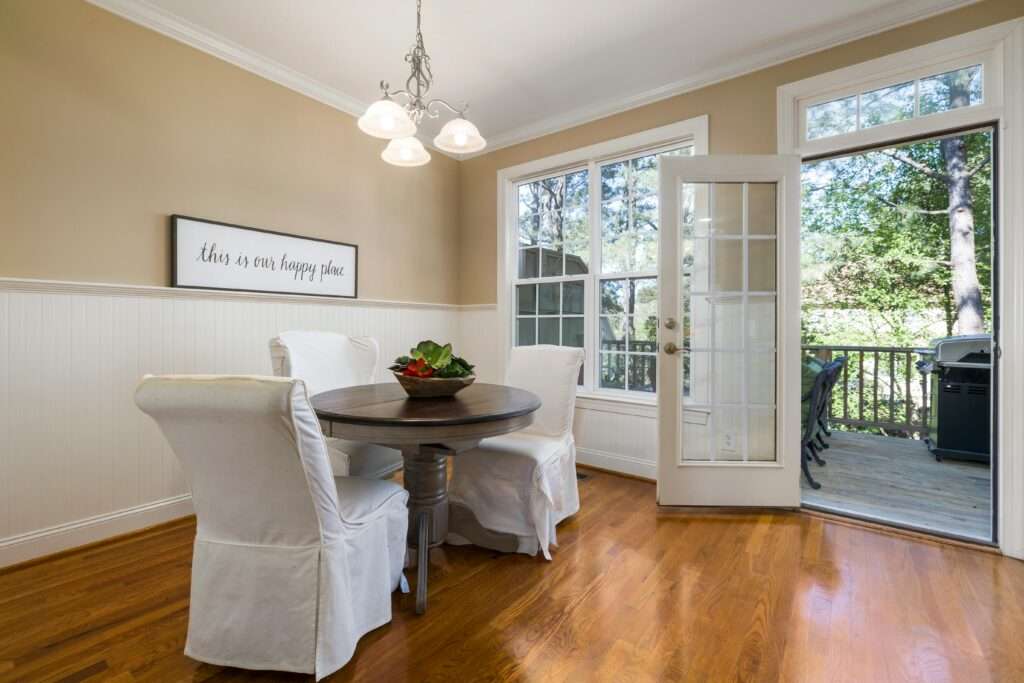
Patio door locks are used often and are exposed to more movement than many other external locks. Over time, small issues can develop into full lock failure.
Wear and Tear
Handles, cylinders, gearboxes and locking strips all wear with use. A door that is opened and closed several times a day will naturally need maintenance over its lifetime.
Misalignment
Misalignment is one of the biggest causes of patio door lock problems. The door may drop slightly on its hinges, rollers may wear or the frame may move over time. When the lock and keeps no longer line up, the handle and key have to work harder.
Weather Exposure
Patio doors are exposed to rain, cold, heat and sunlight. Temperature changes can affect seals, frames and metal components. Moisture can also contribute to corrosion or stiffness in moving parts.
Dirt in Tracks
Sliding doors rely on clean tracks and working rollers. Dirt, grit, leaves and general debris can stop the door from moving smoothly, which then affects how the lock lines up.
Poor Installation or Previous Damage
If a door was not fitted correctly, the lock may have been under pressure from the beginning. Attempted break-ins, impact damage or forced locking can also weaken parts of the mechanism.
Security Risks of a Faulty Patio Door Lock
A patio door fault is not only inconvenient. It can reduce the security of your home or business.
| Problem | Possible risk | Recommended action |
| Handle will not lift fully | Locking points may not engage | Arrange inspection and adjustment |
| Key will not turn | Cylinder or gearbox may be failing | Avoid forcing the key and call a locksmith |
| Door does not sit squarely | Lock may be under strain | Check alignment, hinges and rollers |
| Sliding door lifts in the frame | Door may be vulnerable to forced entry | Check for anti-lift protection |
| Loose cylinder | Cylinder may be easier to attack | Consider cylinder replacement or upgrade |
| Door will not lock at all | Property may be left unsecured | Treat as urgent |
Forced Entry Risks
If locking points are not fully engaged, the door may be easier to force. A multipoint lock is only effective when the hooks, bolts or rollers enter the keeps correctly.
Sliding Door Lift Risks
Sliding patio doors should be checked for anti-lift protection. Without it, some doors may be at risk of being lifted from the frame or runners.
Cylinder Weaknesses
A euro cylinder that is loose, damaged or protruding too far can weaken the door’s security. In many cases, replacing the cylinder with a better suited security-accredited option can improve protection.
Insurance Considerations
Some home insurance policies set minimum expectations for locks and door security. It is always worth checking your policy wording, especially after moving home, replacing doors or repairing damage after a break-in.
Safe Checks Homeowners Can Do

There are a few simple checks you can carry out before calling a locksmith. These checks are for observation only, not dismantling the lock.
Try the following:
- Open the door and test whether the key turns smoothly
- Close the door and test whether the problem returns
- Check whether the handle lifts fully
- Look for gaps between the door and frame
- Check whether the door catches at the top, bottom or side
- Clear visible dirt from sliding tracks
- Look for loose handles or screws
- Check whether the fault happens from both sides of the door
If the lock works with the door open but not closed, alignment is likely to be part of the problem.
Avoid:
- Forcing the key
- Forcing the handle
- Removing a multipoint lock strip without experience
- Leaving the door unsecured overnight
- Using excessive lubricant inside a lock
- Trying to shut the door by slamming it
If the patio door will not lock, it is safer to arrange a professional repair.
Patio Door Lock Repair Options
The right repair depends on the cause of the fault. A professional locksmith should inspect the door, lock and frame before recommending parts.
Lock Adjustment
Adjustment may be suitable when the lock is basically sound but the locking points are catching. This can involve repositioning keeps, adjusting hinges or correcting the door’s position so the mechanism works smoothly again.
Cylinder Replacement
A cylinder replacement may be needed if:
- The key is lost or stolen
- The key will not turn
- The cylinder is loose
- The cylinder is worn
- The property has recently changed hands
- A security upgrade is required
Changing the cylinder can be a quick and effective way to improve security, provided the rest of the mechanism is in good working order.
Gearbox Replacement
The gearbox is the central part of many multipoint locking systems. It connects the handle and cylinder to the locking strip. If the gearbox fails, the handle may not lift, the key may not lock the door or the door may become jammed.
Signs of gearbox failure include:
- Handle feels loose or disconnected
- Handle will not lift
- Door is stuck locked or unlocked
- Key turns but nothing happens
- Locking points do not move properly
Multipoint Lock Replacement
If the locking strip is badly worn, damaged or obsolete, replacing the full multipoint lock may be the best option. This is common where several locking points are damaged or parts are no longer working together.
Handle Replacement
Loose, broken or worn handles can make a door difficult to use and may affect the locking action. Replacing the handle may solve the fault if the internal lock is still sound.
Roller, Hinge and Alignment Repairs
Sometimes the lock is not the real cause. Worn rollers, dropped hinges or a twisted frame can stop the door from lining up properly. In these cases, repairing the movement and alignment of the door is essential.
Emergency Opening and Repair
If a patio door is jammed shut or will not lock, an emergency locksmith can help secure the property. Page Security provides emergency locksmith services and Upvc door and window repair services, including jammed doors and lock mechanism problems.
Repair or Replace: How to Decide
Repair may be the best choice when the fault is caused by minor misalignment, loose keeps, a worn handle or a single damaged cylinder. Early repairs can prevent unnecessary strain on the rest of the lock.
Replacement may be better when:
- The gearbox has failed
- The multipoint lock is badly worn
- The cylinder is damaged or outdated
- Parts are corroded
- The door has suffered attempted break-in damage
- The existing lock does not offer suitable security
A locksmith should always consider the full door, not only the lock. Replacing a cylinder will not solve the issue if the door is out of alignment and putting constant pressure on the mechanism.
Security Upgrades for Patio Doors
A repair is also a good time to think about improving patio door security. Depending on the door type, useful upgrades may include:
- Security-accredited euro cylinders
- Anti-snap cylinders where suitable
- Anti-lift protection for sliding patio doors
- Additional patio door locks
- Stronger keeps
- Replacement handles
- Door and frame repairs after damage
- Alarm systems for wider protection
At Page Security, our services include locks and keys, emergency locksmith work, Upvc repairs, burglar alarms, access control and door entry systems. If a patio door is one of several weak points around a property, it may be worth reviewing the wider security setup.
Why Professional Repair Is Usually Safer Than Forcing the Lock
Forcing a patio door lock can cause more damage. A stiff handle often means the locking system is under pressure. Pushing harder may break the gearbox, snap the key or bend part of the mechanism.
A professional locksmith can identify whether the issue is with the cylinder, gearbox, keeps, hinges, rollers or frame. This helps avoid unnecessary replacement and ensures the door is secure once the repair is complete.
Page Security is a family-run company with over 20 years experience in the locksmith and security industry. We offer a friendly professional service, no call out charge, fast response and guaranteed work.
When to Call an Emergency Locksmith
You should call an emergency locksmith if the property cannot be secured or the door is needed as an exit.
Call urgently if:
- The patio door will not lock
- The door is jammed shut
- The key has snapped in the lock
- The handle is stuck
- The lock has failed after attempted burglary
- The door can be pushed open when locked
- The fault happens late in the day and the property may be exposed overnight
- The lock only works intermittently
Page Security provides emergency locksmith services, with local service pages advertising rapid response times in many areas.
Preventing Future Patio Door Lock Problems
Good maintenance can help prevent lock failure and extend the life of the door.
Simple prevention tips include:
- Keep sliding tracks clean
- Do not slam the door
- Do not force a stiff handle
- Replace bent or worn keys
- Check handles for looseness
- Arrange adjustment if the door starts catching
- Keep an eye on gaps around the frame
- Deal with minor stiffness before the door jams
- Review lock security after moving home
If the door begins to feel different, do not ignore it. A lock that suddenly feels stiff, loose or unreliable is usually showing early signs of a problem.
Conclusion: Patio Door Lock Problems
Patio door lock problems can be caused by worn parts, poor alignment, damaged cylinders, failed gearboxes, dirty tracks or general wear and tear. While some faults begin as minor inconvenience, they can quickly become security risks if the door no longer locks properly.
The safest approach is to act early. If your patio door is stiff, jammed, loose or will not lock, Page Security can help with patio door lock repairs, Upvc door and window repairs, lock replacement, burglary repairs and emergency locksmith support across London and the South East.
If your patio door is stiff, jammed, loose or will not lock properly, contact us for reliable lock repairs, Upvc door repairs and emergency locksmith support.
Further Reading
- Upvc Door and Window Repairs: Learn more about Page Security’s Upvc door and window repair service, including lock repairs, handle repairs, mechanism replacement, hinge replacement and Upvc sliding patio door repairs.
- Lock Replacement and Lock Repairs: A useful Page Security service page for readers who want to understand more about lock replacement, lock repairs and emergency lock support.
- Police Door Security Advice: Official UK crime prevention guidance covering door security, including advice on sliding patio doors and anti-lift devices.
- Secured by Design Guidance for uPVC and Sliding Doors: Practical crime prevention advice covering uPVC and sliding door security, euro cylinders and anti-lift protection.
